
From Daguerreotypes to Digital: Tracing the Revolutionary Journey of Photography Equipment
Tracing the revolutionary journey of photography equipment from its inception to the digital age, this article explores the significant milestones that have shaped the way we capture and preserve images. From the camera obscura to the daguerreotype, and onward through various technological advances, we delve into the evolution of photography gear, examining the impact of each innovation on the art and science of photography. Join us as we reflect on the legacy of the pioneers and anticipate the future of photographic technology.
Key Takeaways
- The birth of photography with the daguerreotype marked a pivotal moment, revolutionizing the permanence of images and sparking a global phenomenon known as Daguerreotypomania.
- Photographic techniques rapidly evolved through the 19th century with the development of the calotype, stereoscopic photography, and wet and dry plate processes, enabling faster exposures and the capture of motion.
- The quest for color photography and the establishment of genres such as portraiture, photojournalism, and documentary photography enriched the artistic dimensions of the medium.
- The transition from analog to digital has transformed the photographic landscape, with digital cameras, lenses, and editing software redefining the possibilities of image capture and manipulation.
- Photography’s enduring significance is reflected in its role in shaping society and culture, with the contributions of historical visionaries continuing to inspire the ongoing journey of photographic innovation.
The Dawn of Photography: From Obscura to Daguerreotype
The Camera Obscura and the Quest for Permanent Images
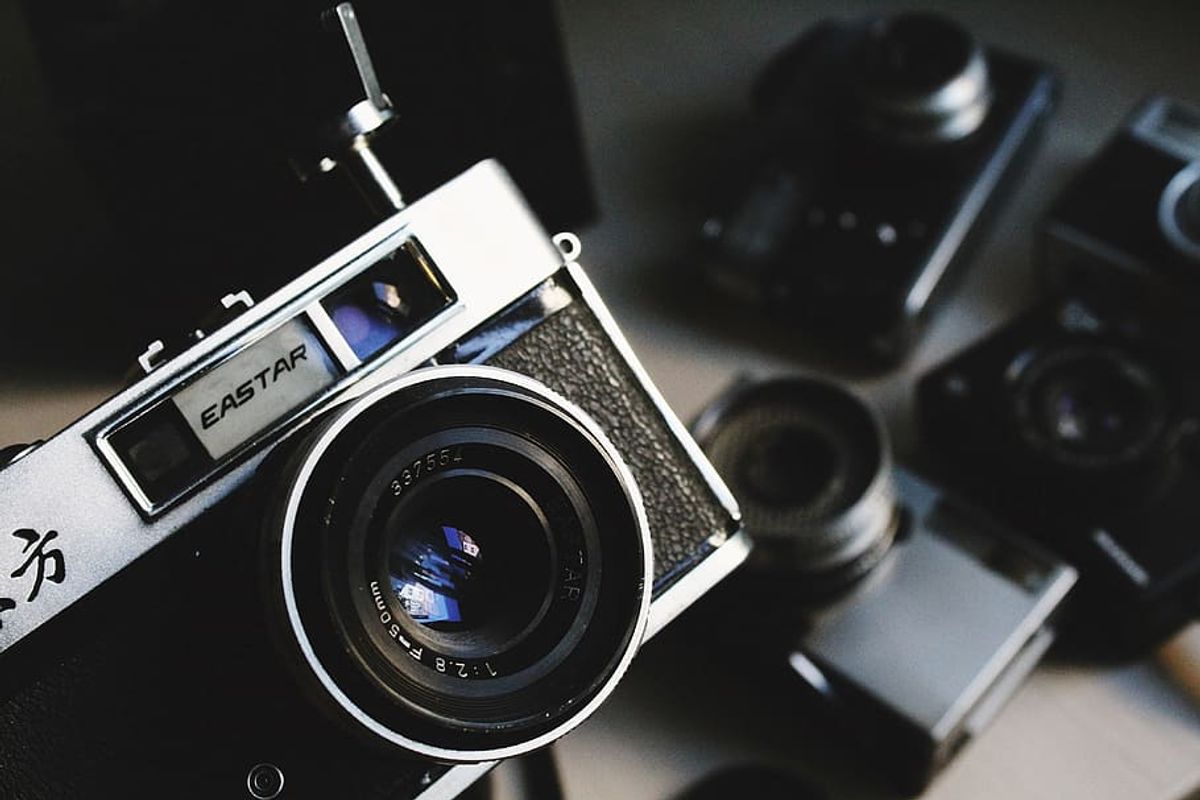
The camera obscura, a darkened room with a small hole or lens at one side, projected images onto an opposite surface. This ancient concept laid the groundwork for photography, but it was the quest for permanent images that drove innovation.
Louis Daguerre and the Birth of the Daguerreotype
In 1839, Louis Daguerre unveiled the daguerreotype, a process that captured images on silver-plated copper. This invention marked the beginning of practical photography and set the stage for future advancements.
Collaboration and Innovation: Daguerre and Niepce
The daguerreotype was the result of a pivotal collaboration between Daguerre and Nicéphore Niépce. Their combined efforts refined the process, making it possible to preserve fleeting moments forever.
The Global Impact of Daguerreotypomania
Daguerreotypomania swept the globe as people clamored for these new, permanent images. The phenomenon signaled photography’s potential to revolutionize the way we capture and remember our world.
Advancements and Diversification: The Progression of Photographic Techniques

The Calotype and the Rise of Paper Photography
The calotype, invented by William Henry Fox Talbot, marked a significant shift from metal-based to paper-based photography. This technique allowed for multiple prints from a single negative, paving the way for broader dissemination of images and the possibility of photographic albums.
Stereoscopic Photography: Adding Dimension to Images
Stereoscopic photography mesmerized viewers by adding a sense of depth to images. This method used two photographs taken from slightly different angles to create a 3D effect when viewed through a special device.
Wet Collodion and Dry Plate Processes: Towards Faster Exposures
The wet collodion process, introduced by Frederick Scott Archer, drastically reduced exposure times and facilitated the creation of glass negatives. Later, the dry plate process simplified photography by allowing photographers to use pre-coated plates that could be developed long after exposure.
Freezing Motion: Capturing the Ephemeral
With the advent of faster shutter speeds and sensitive emulsions, photographers like Eadweard Muybridge were able to capture the intricacies of motion for the first time, revealing the beauty of fleeting moments.
As the techniques of photography evolved, so did the artistry and the ability to capture the world in ever more vivid detail.
Color and Character: The Enrichment of Photographic Artistry
Early Experiments in Color Photography
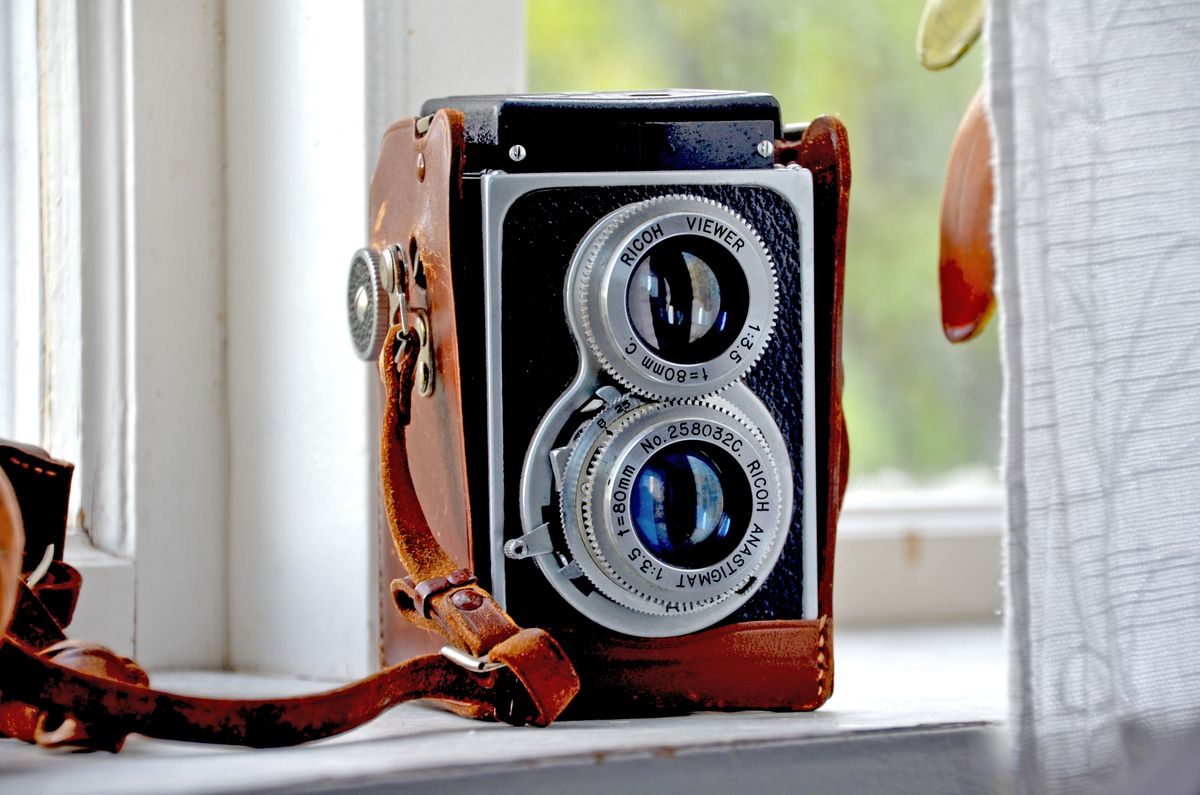
The quest for color in photography has been a long and fascinating journey. The photography of color was theorized decades before it became a practical reality. In the 19th century, despite the inability to reproduce colors, photographers experimented with tonal variations, such as sepia, to add depth to their images. It wasn’t until the 20th century that color photography became commercially viable, marking a significant milestone in the art form.
Portraiture: The Human Subject Through the Lens
Portraiture has always been a central theme in photography, capturing the essence of the human subject. The transition from monochrome to color brought new dimensions to this genre, allowing photographers to convey more nuanced expressions and moods. Artists like Harry Callahan and William Eggleston were pioneers who embraced color to tell compelling human stories.
The Emergence of Photojournalism and Documentary Photography
With the advent of color, photojournalism and documentary photography underwent a transformation. Color added a layer of realism and emotional impact to images that documented societal events and personal narratives. This shift not only changed the aesthetic of these genres but also influenced public perception and the storytelling power of photographs.
The Modern Era: Embracing the Digital Revolution
The Transition from Analog to Digital
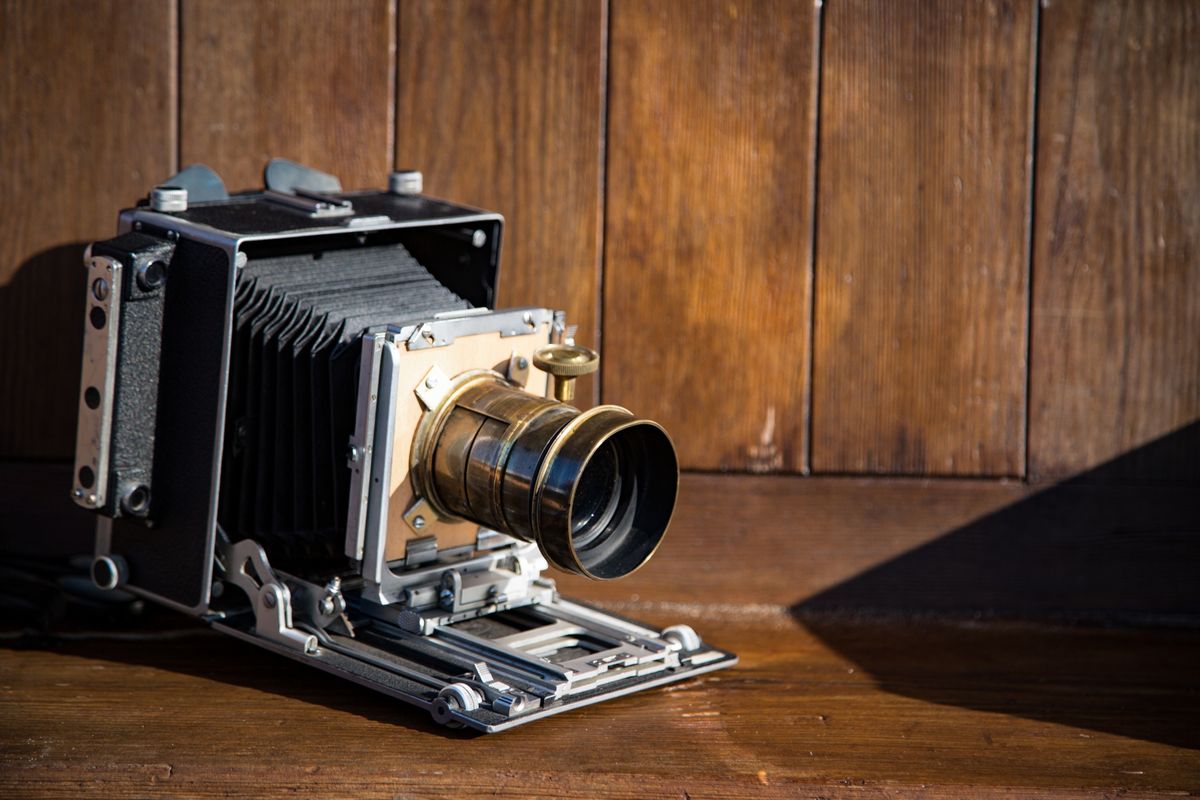
The shift from analog to digital photography marks one of the most transformative periods in the history of photography. The first digital camera prototype in 1975 by Steven Sasson at Eastman Kodak heralded a new era. This innovation paved the way for consumer digital cameras and the eventual integration of digital imaging into smartphones and other devices.
The Evolution of Digital Cameras and Lenses
Digital cameras have undergone rapid evolution, with improvements in sensor technology and image processing. Users now enjoy higher resolutions, better low-light performance, and features like image stabilization. The lens technology has also advanced, offering greater optical quality and versatility.
Editing Software: Refining the Photographic Image
Editing software has become an indispensable tool for photographers, allowing for the refinement and manipulation of images post-capture. Programs like Adobe Photoshop have revolutionized the way we approach photographic editing, making it possible to achieve results that were once unthinkable.
Predicting the Future: Trends and Innovations
As we look to the future, trends such as artificial intelligence and computational photography are set to redefine the boundaries of what’s possible. Innovations in these areas may lead to smarter cameras and even more intuitive photography experiences.
The digital revolution in photography has not only changed the tools we use but also the very nature of how we capture and interact with images.
The Legacy of Photography: Reflecting on Past Innovations and Visionaries
Pioneers of Photography: Celebrating Historical Contributions
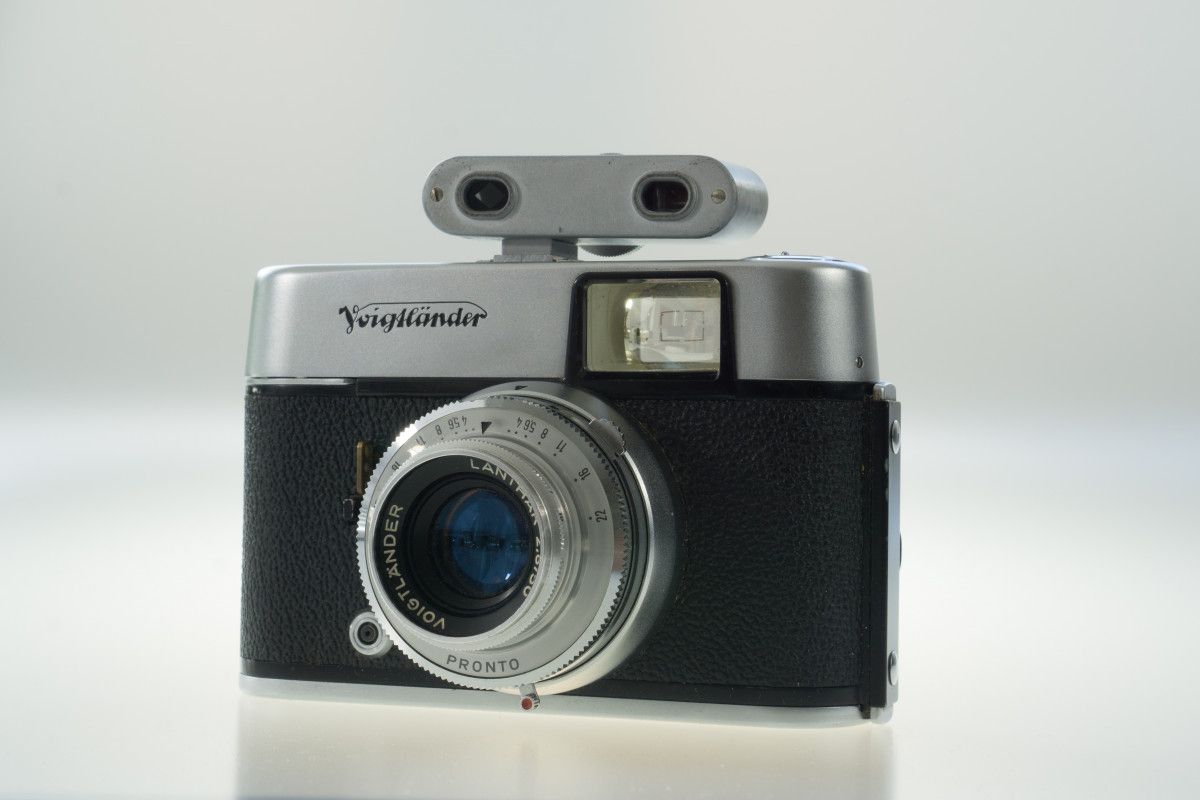
As we reflect on the history of photography, it’s essential to celebrate the pioneers who transformed vision into reality. Their contributions have been instrumental in shaping the medium into what it is today. Their legacy lives on in every snapshot, every frame that tells a story.
Photography’s Role in Shaping Society and Culture
Photography has played a pivotal role in documenting and influencing society and culture. It has the power to capture epochs, sway public opinion, and immortalize moments that define generations. It’s a mirror reflecting the ever-evolving human experience.
The Continuing Journey: Photography’s Enduring Significance
The journey of photography is far from over. As we continue to innovate and push the boundaries of what’s possible, we honor the past while looking to the future. The camera remains a steadfast companion in our quest to capture the essence of our ever-changing world.
Frequently Asked Questions
What was the daguerreotype and how did it revolutionize photography?
The daguerreotype was the first publicly available photographic process, announced in 1839, which captured images on silver-plated copper. It revolutionized photography by providing a means to capture and preserve images permanently, sparking Daguerreotypomania.
How did the invention of the camera obscura contribute to the development of photography?
The camera obscura was an early device that projected images of external scenes onto a surface inside a darkened room. It was fundamental in understanding the principles of light and image projection, which were essential for the development of photography.
What is the significance of the collaboration between Daguerre and Niepce?
Louis Daguerre and Joseph Nicéphore Niepce collaborated to refine the process of capturing permanent images, leading to the creation of the daguerreotype. Their partnership combined expertise and experimentation, which were crucial in the birth of photography.
How did the calotype differ from the daguerreotype?
The calotype, developed by William Henry Fox Talbot, differed from the daguerreotype by using paper coated with silver iodide instead of a metal plate. This process produced a negative image that could be used to make multiple positive prints, unlike the one-of-a-kind daguerreotype.
What impact did the invention of photography have on society and culture?
The invention of photography had a profound impact on society and culture by allowing for the accurate documentation of moments in time, democratizing art, influencing journalism, and altering perceptions of reality and memory.
What are some predictions for the future of photography equipment?
Future trends in photography equipment may include further advancements in digital technology, such as higher resolution sensors, more sophisticated image processing software, and integration with artificial intelligence to enhance image capturing and editing capabilities.
No Comments